A fight for survival.
Background Overview
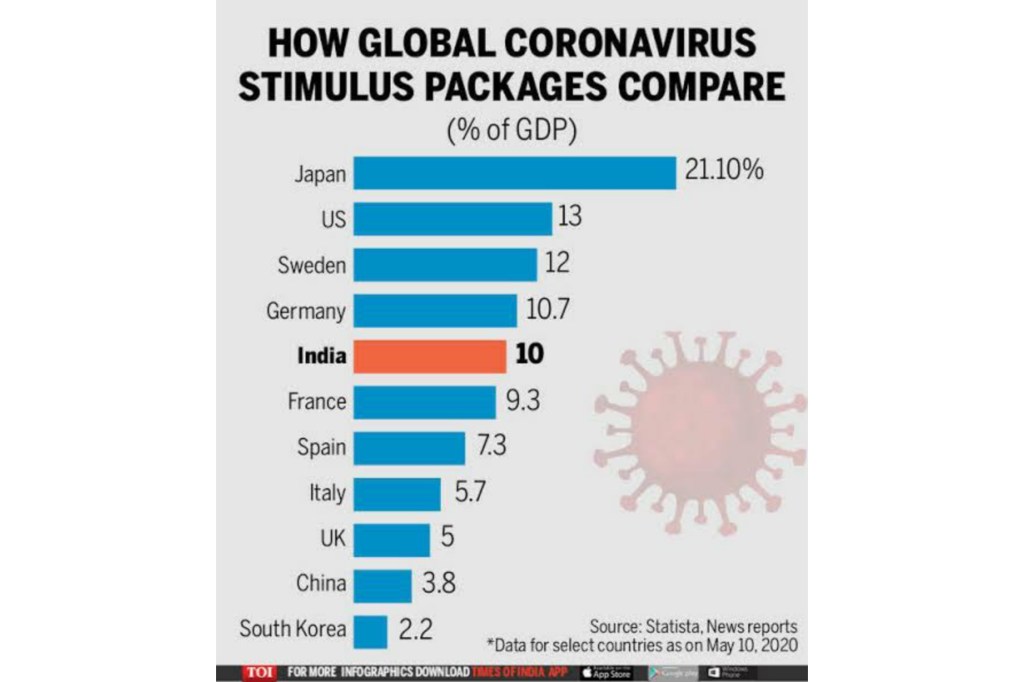
Recently, PM Modi announced a stimulus package worth Rs. 20-lakh-crore, equivalent to about 10% of our GDP, which is aimed at making the country self-reliant and reviving the stalled economy. Details of the plan, dubbed the Atmanirbhar Bharat Abhiyaan, are being unveiled by the finance minister- Nirmala Sitharaman, since Wednesday.
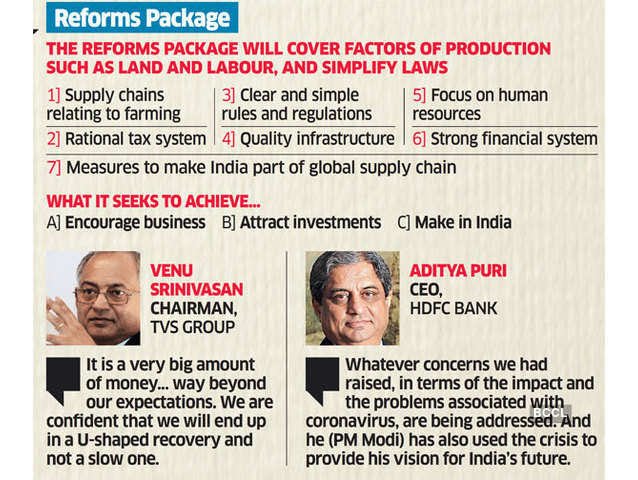
The so called Aatmanirbhar Bharat package includes measures to save the lockdown-battered economy, and focuses on tax breaks for small businesses as well as incentives for domestic manufacturing. The combined package is roughly 10 per cent of the GDP, making it one of the most substantial in the world after the financial packages announced by the United States, which is 13 per cent of its GDP, and by Japan, which is over 21 per cent of its GDP.
The Rs. 20 lakh crore package includes a Rs. 1.7 lakh crore package for provision of foodgrains to the poor (at no cost) and cash to poor women and the elderly, announced in March, as well as the Reserve Bank’s liquidity measures and interest rate cuts. While the stimulus given in March was 0.8 per cent of GDP, RBI’s cut in interest rates and liquidity boosting measures totaled to 3.2 per cent of the GDP (about Rs 6.5 lakh crore).
This Aatmanirbhar package focuses on land, labour, liquidity and laws and caters to various sections, including cottage industry, MSMEs, labourers, middle class, and industries. However, detailed announcements are being made in tranches.
The announcements on May 13, the first tranche, included six measures for MSMEs, 2 for EPF, 2 for NBFCs and MFIs, 1 for discoms, 1 for contractors, 1 for real estate sector and 3 tax measures.
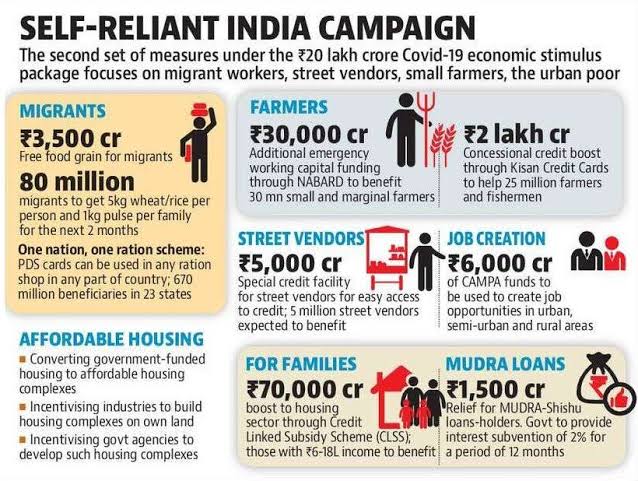
The second tranche on released on May 14 by FM focused on migrant workers, street vendors, small traders, self-employed people and small farmers.
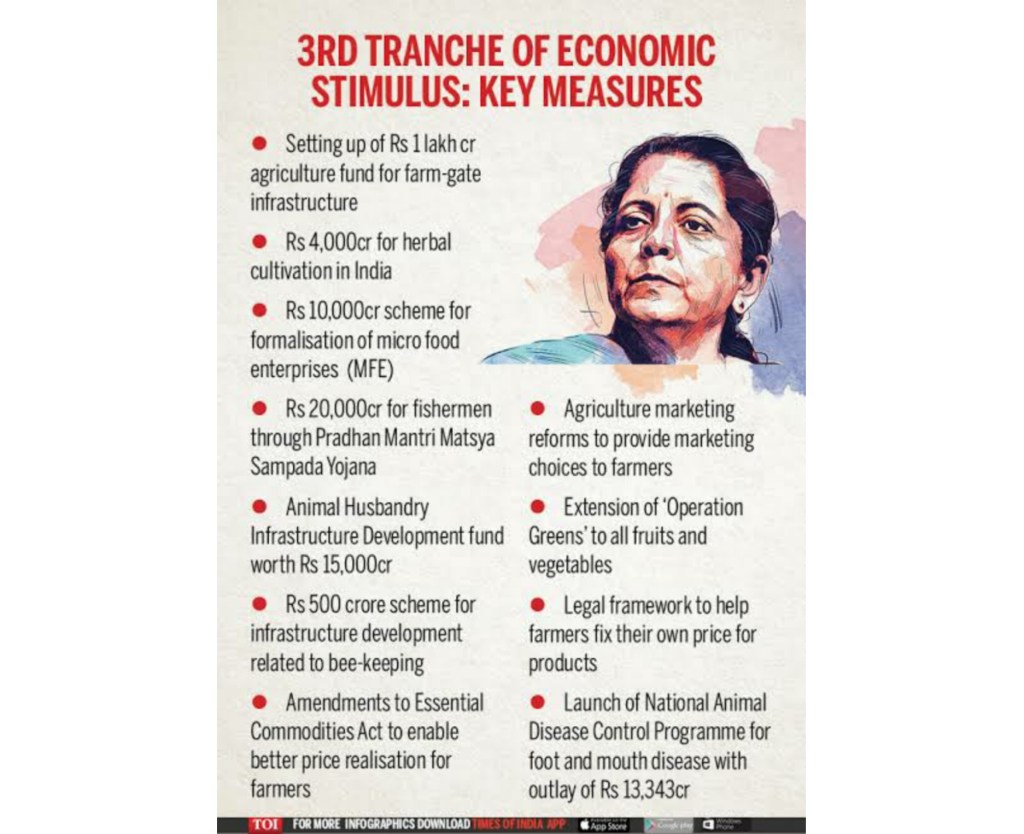
The third tranche on May 15 outlined measures for the Agriculture and allied sectors, along with small farmers whose details are given in the image attached.
From Mining and Aviation to Defence and Space, the fourth tranche announcements via FM Nirmala Sitharaman focused on boosting structural reforms in the industries to enable ease of business.

Finance Minister Nirmala Sitharaman announced reforms in seven key areas, which includes MGNREGA, Healthcare and Education, ease of doing business, in the fifth and final tranche of economic stimulus package to deal with the economic fallout of the COVID-19 pandemic. An increase in the borrowing limit for states from 3 per cent to 5 percent was also announced, which would provide them with an additional amount of Rs. 4.28 lakh crore.
Questions that remain unanswered :
After five days of numerous announcements from the Finance Minister, approximately 80% of the BIG BUDGET futuristic use has been shared and keeping the above mentioned distributions in mind, it seems like the Rs 20 lakh crore number is a bit of a narrative, with almost negligible in-hand capital. The package as in whole is not fresh, for one the number includes liquidity announcements already made by the independent Reserve Bank of India. In an effort to ensure that firms have easy access to credit, the central bank made sure to provide cheap money for banks to borrow. Its operations alone account for nearly one-third (⅓) of the Rs. 20 lakh crore package that the PM referred to.
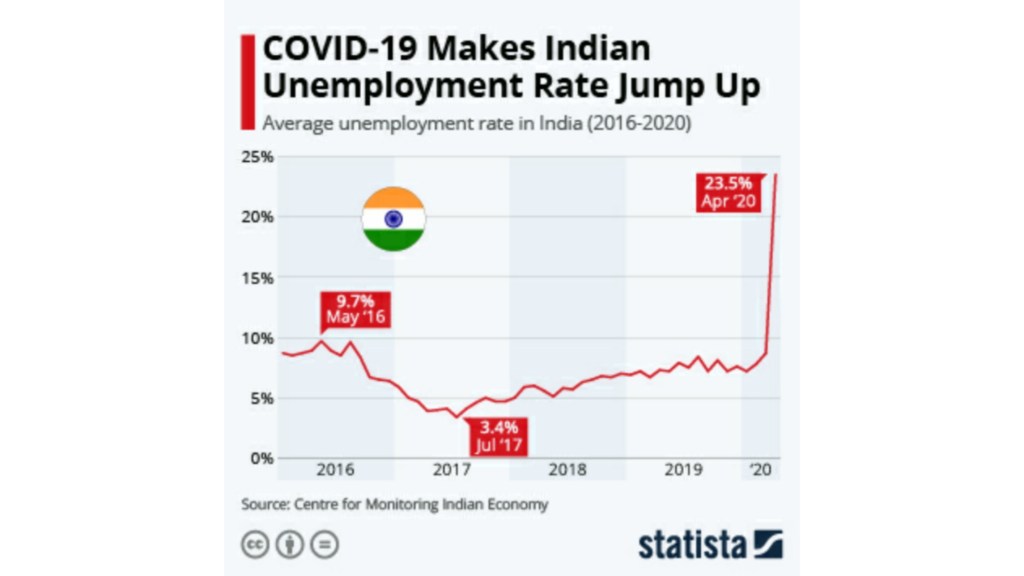
It’s also important to note that a few major economies would count the central bank liquidity operations as a part of their post-lockdown rebuilding packages. A business journalist Vivek Kaul has pointed out that little of this money is actually being used to shore up the economy. The entire package is not a fresh push, as a large portion of it has already been delivered by the RBI and the government. Technically, this brings down the package to about Rs. 11.02 lakh crore. And after the details provided in the last four days, it’s clear that a major portion of the Aatmanirbhar Bharat package is being used for Industrial Reforms in various sectors, instead of focusing on providing instant relief to the masses, especially laborers and the people who have lost their job during this pandemic. It is important to draw a comparison
between India’s fiscal stimulus and those announced by other countries. This Aatmanirbhar Bharat package focuses on providing shape to rebuilding the economy- but majorly lacks on the part where the instant relief fund comes to light. This Rs. 20 lakh crore package may answer many questions regarding the future, based on rebuilding the shattered economy, but leaves behind many unanswered questions :
•• How much does the common man benefit from the Rs. 20 lakh crore economic package announced by the Central Government?
•• Is the financial package adequate to bring businesses and small enterprises back on their feet after the Lockdown due to this pandemic is over?
•• Does India need to work on providing direct financial bailouts- both to firms, and industries, crippled by the lockdown as well as the citizens, who have either lost their jobs or have suffered paycuts?
What more could be done?
The universe is so well balanced that the mere fact that you have a problem also serves as a sign that there is a solution.
Steve Maraboli
Finding the solution to a problem is easier when the whole world is working on the same issue. Solution of the above unanswered problems can be sought from other countries- like Canada, Germany, Japan etc. as we all suffer from the same problem of our wrecking economy and helpless citizens.
However, it cannot be disagreed with that conditions, GDP, economy, lifestyle and expenditure of every country differs. Even then, a deep research undertaken by me personally enlists some of the steps taken by different Governments worldwide in order to fight the Covid-19 induced crisis :
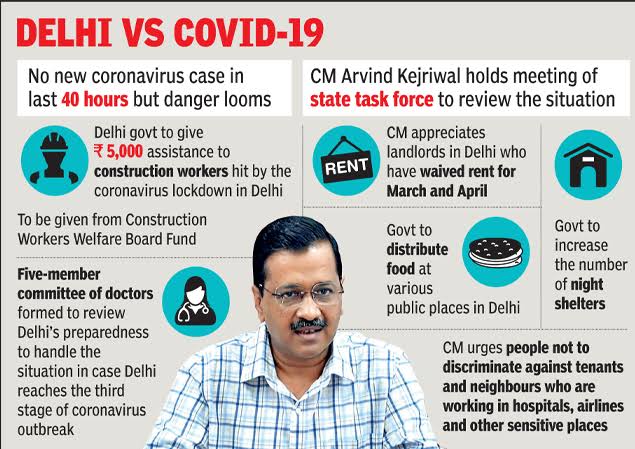
- According to a recent report published by the World Bank, among all the relief packages announced, 30.7% of the packages are based on cash transfer scheme. 37 Countries have started distributing cash to it’s citizens in order to fight Covid-19 and 88 Countries have increased the amount they have been giving under various Government schemes. Though India is also working on Cash Transfer, but certain factors like limited Cash Transfer and a form filling procedure tends to create some issues- the elderly are not able to stand in lines for hours to get the relief amount. Also the scale of cash Transfer varies from state to state. The Delhi Government is giving Rs 5000 to taxi drivers, while there are some states which are not giving any amount to the needy. Thus, it is important to centrally allocate the funds and provide equal relief to all people.
- In a country like India 🇮🇳, Freelance occupation is very common, yet no relief funds have been announced for Freelancers till today. Germany 🇩🇪 however, is providing a relief fund of 15000 Euros (12.5 lakh Indian currency) for 3 months to every Freelancer and Small businesses for their sustainment.
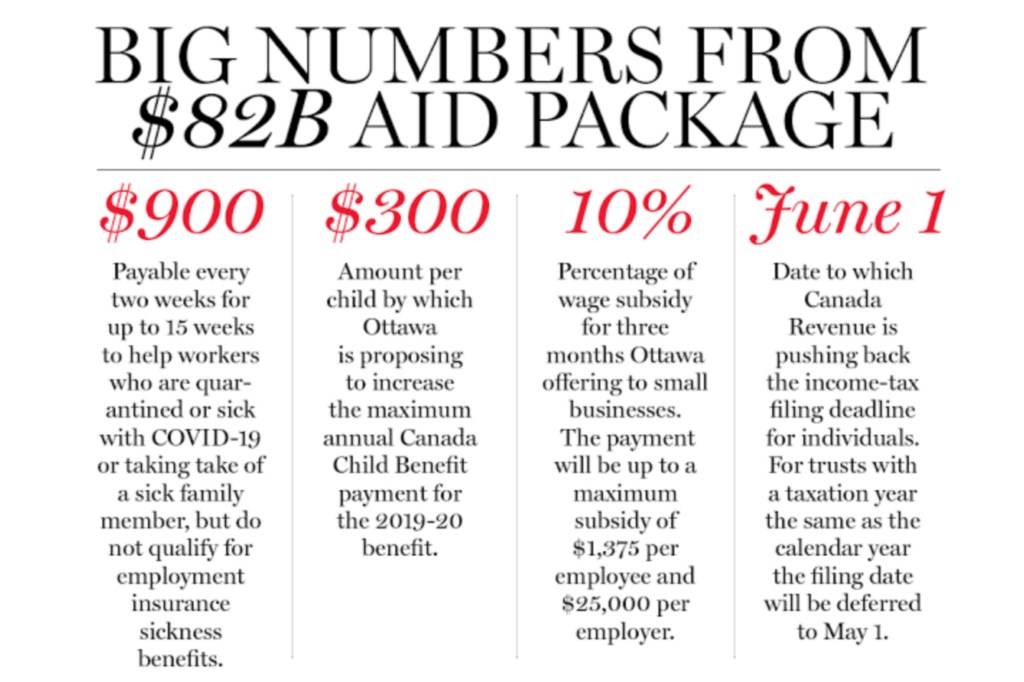
- In countries like Canada and Germany, relief fund is being provided to parents who lost their job due to Covid-19, in order to provide the necessities to their children and themselves. 🇩🇪Germany for example, is giving 185 Euros per month to single child parents, who lost their job, which is equivalent to 15,500 Indian Currency.
- Providing loans will help in the uplifment of the Indian Economy, but we cannot ignore the need of cash for survival.
- Only 🇯🇵 Japan has given 2% of its GDP as instant relief fund where each and every citizen of the country has been given 930 Dollars. It is also important to note that Japan has announced a package of 1.1 trillion which is 21.1% of their GDP. However in India, the poor received modest benefits from the first stimulus package – ₹500 each to Women Jan Dhan account holders, ₹1,000 for senior citizens, poor widows and the differently abled. Not only the relief amount differs massively, but there is also a vast variations in the type of recipients as in India, the money is given only to selective population while in Japan, each and every citizen is given a relief amount.
- In many countries, the Government is paying 2/3 of the salary of small and middle class business workers in order to prevent Job loss. For eg. in 🇩🇰Denmark, the state will pay 75% of the wages for 3 months, if employers do not lay off their employees. 🇦🇹 Austrian Government guarantees 90% for gross salaries below €1,700, 85% for salaries below €2,685 and 80% for salaries below €5,370, while apprentices get compensated in full. Such a package is the need of the hour in India as COVID-19 and the nationwide lockdown has resulted in job loss for around 27 million youth in the age group of 20-30 years in the month of April 2020 alone, according to CMIE.
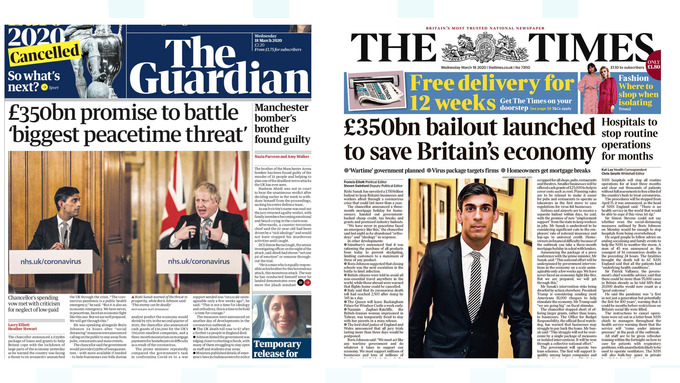
- 🇬🇧 Britain has offered one of the most generous schemes anywhere in the world, where The Government will pay self-employed people who have been adversely affected by the coronavirus a taxable grant worth 80% of their average monthly profits over the last three years, up to £2,500 a month. And to minimise fraud, only those who are already in self-employment who have a tax return for 2019 will be able to apply. Such norms, if adopted in India will help more than half of the population.
- 🇨🇦 Canadian Government has released an emergency program of 9 billion Canadian dollars (about$ 6.4 billion) will be put on the Canada Revenue Agency to provide financial assistance to students.Canadian students and recent graduates who have lost income or summer jobs as a result of the COVID-19 pandemic can apply to receive funding from an emergency benefit. Such relief measures are inspiration to all countries.
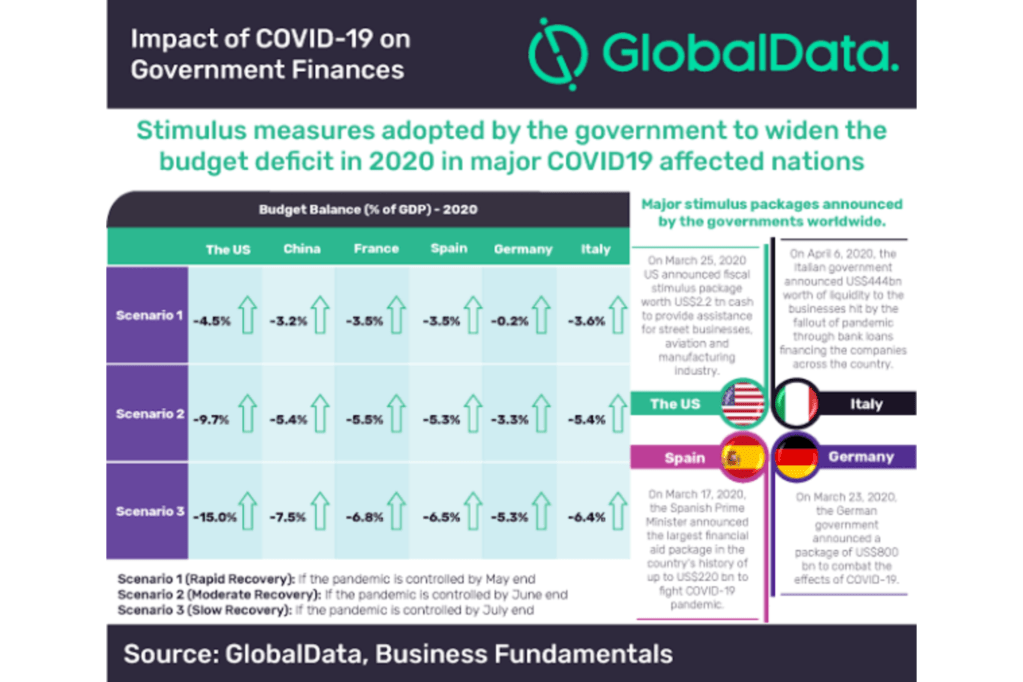
- Due to lockdowns closing off many employment sectors in 🇩🇪 Germany, low-income workers in catering and hospitality are suffering from their incomes drying up. The German Federal Employment Agency provides short-time unemployment benefits when employers are forced to temporarily shorten workers’ hours. This short-term scheme is designed to prevent people from permanently losing jobs due to “unavoidable” reasons. This new short-term aid package will extend and increase the level of support in stages. Workers who have had their hours reduced by at least 50% will receive an increased payment of up to 77% of total net income after the fourth month of receiving benefits. Those still receiving benefits after seven months will receive between 80 and 87%. The current level of compensation is between 60 and 67%. If applied in India this scheme will be benefit the labourers who are forced to move back to their respective state due to hunger and joblessness.
- 🇨🇦 Canadian Government launched Canada Emergency Business Account (CEBA) The government announced a $25 billion program that will provide interest-free loans of up to $40,000 to small businesses and not-for-profits, to help cover their operating costs during a period where their revenues have been temporarily reduced due to pandemic. The program will be implemented by eligible financial institutions in cooperation with EDC (Export Development Canada). They have also released norms for repaying for eg repaying the balance of the loan on or before December 31, 2022 will result in loan forgiveness of 25% (up to $10,000) and If the loan is not repaid by then, the remaining balance will be converted to a three-year term loan at 5 per cent interest.
 Economic Reforms
Very well written and described with ease. Although ,I would love to see the comparison between India and China economic relief package as both the countries have massive population.
LikeLike
Great content. Very factual and concise. 😊
LikeLiked by 1 person
Thank you 😃
LikeLike
Nicely written and very informative. Keep it up 👍
LikeLiked by 1 person
Thank you 😃
LikeLike
Great work keep going
LikeLike
Very well structured. Great work. Keep it up
LikeLiked by 1 person
Thank you ma’am
LikeLike
Great content! I wasn’t knowing about this facts, came to know cuz of ua blog. Keep going!!
LikeLiked by 1 person
Thank you for reading
LikeLike
I really loved the content and quite impressed with how apt the information is. I am so glad to see that our country is moving in a right direction. Eventually India will win!!
Keep it up. I hope to see more of ur work in future 🙂
LikeLiked by 1 person
Thank you. Yess definitely India will win 🏆
LikeLike
Great information.. you did a wonderful job!!!
LikeLiked by 1 person
Thank you so much
LikeLike
You did a great job !!!
LikeLiked by 1 person
Thank you for reading a
LikeLike
Did a great job!
LikeLiked by 1 person
Thanks a lot
LikeLike
Did s great job!
LikeLiked by 2 people
Thank you so much
LikeLike
Woahh, now I can say I have quite good information on COVID-19
Great work!!!!
LikeLike
Very well organised 👍
LikeLiked by 1 person
Thank you
LikeLike
Well written 🙌
LikeLiked by 1 person
Thank you for your reviews
LikeLike
Very informative. Great work done.
LikeLiked by 1 person
Thank you for reading
LikeLike
Very insightful. One can find all the related information at one place and be informed. Keep up the good work 🙂
LikeLiked by 1 person
Thank you so much
LikeLike
The expression of thoughts along with proper evidences are treat for the readers…..Good luck 🙂 Keep updating your readers.
LikeLiked by 1 person
Thank you. I will try my best to keep all the readers updated
LikeLike
Well done Prachi. Young generation like you can change this problem into solution. Keep it up.
LikeLiked by 1 person
Thank you. Yes we can
LikeLike
So insightful, balanced,
well structured and ofcourse well written.
I was waiting for someone to dissect the package for better explanation and clarity.
Glad you did it.
🙂
LikeLiked by 1 person
Thank you so much
LikeLike
Hey… I must say I’m quite impressed with your blog. Quality content right here! Keep it coming. Much love.
LikeLiked by 1 person
Thank youu
LikeLike